
Author: Site Editor Publish Time: 2026-08-12 Origin: Site


For professionals in meat processing, seafood handling, and food service, the purchase of butcher gloves is more than a simple transaction. It is a safety investment that directly affects worker protection, operational efficiency, and regulatory compliance. The term "butcher gloves" encompasses a range of products, from cut-resistant fabric gloves to heavy-duty chainmail gloves, each designed for specific tasks and risk levels. Understanding what is available and how to select the appropriate type is essential for making an informed purchase.
The market for butcher gloves has expanded significantly, with options ranging from basic cotton liners to ANSI A9-rated metal mesh gloves. Prices vary widely based on material, construction quality, and protection level. A basic cut-resistant fabric glove may cost less than thirty dollars, while a professional-grade chainmail glove can exceed one hundred dollars. However, the purchase price is only one factor in the total cost of ownership. Durability, maintenance requirements, and injury prevention all contribute to the value proposition of each glove type.
Hebei Linchuan Safety Protective Equipment Co., LTD manufactures stainless steel chainmail gloves and other protective equipment for the meat processing industry. Our products are certified to EN 1082-1 standards and are used in slaughterhouses, seafood processing, and food service operations worldwide. This guide provides the information needed to evaluate butcher gloves for sale and select the appropriate product for your application.
The term "butcher gloves" covers three distinct glove categories, each built for different tasks and risk profiles. Understanding these categories is the first step in selecting the right glove for your operation.
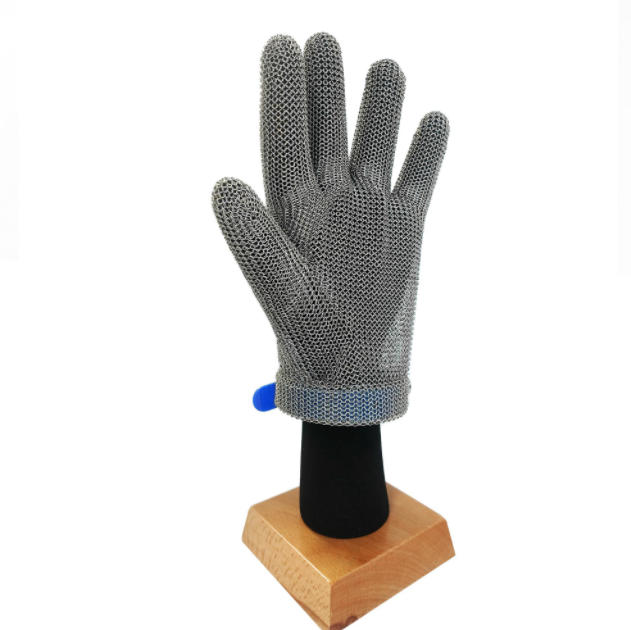
Metal Mesh Butcher Gloves – These gloves, also known as chainmail or stainless steel mesh gloves, offer the highest level of cut and puncture protection available. They are constructed from interlocking stainless steel rings, typically with welded connections for durability. Metal mesh gloves are rated up to ANSI A9 cut level, the highest available rating. They are most commonly worn on the non-knife hand during boning and breaking tasks, where the holding hand faces the highest risk of blade contact. The downside of metal mesh gloves is their weight and reduced dexterity compared to fabric alternatives, which is why workers typically wear them only on the off-hand.
Cut-Resistant Fabric Gloves – These are the most common type of butcher gloves found on processing floors. Constructed from high-performance fibers such as high-density polyethylene, aramid, or fiberglass composites, they offer cut protection without sacrificing the grip and dexterity needed for efficient work. Cut resistance follows the ANSI/ISEA 105-2024 rating scale from A1 to A9. For hand knife tasks in meat processing, A5 through A9 gloves provide the appropriate protection range. These gloves are typically worn on the knife hand, where grip control is essential.
Cotton Knit Butcher Gloves – These are not primary cut protection tools but serve specific roles in meat processing environments. They function as liners under cut-resistant or metal mesh gloves to provide warmth in cold processing areas. They also suit general handling tasks that do not involve knife contact. Cotton knit gloves come in various weights and are often poly-cotton blends for grip and breathability. In cold storage operations, wearing a knit liner under a protective glove adds warmth without reducing protection.
When evaluating butcher gloves for sale, several features should be assessed to ensure the product meets the operational requirements. The ANSI cut level rating is the primary indicator of protection. For high-risk boning and breaking tasks, A9-rated gloves offer maximum protection. For standard trimming and portioning, A5 through A7 gloves provide adequate protection while maintaining dexterity. The EN 388 standard, using the TDM test, provides ratings from Level A through Level F, with Level F representing the highest protection. Gloves with ratings such as 4X4XF indicate top performance across multiple test categories.
Material composition affects durability and performance. Stainless steel mesh gloves typically use AISI 304 or 316L stainless steel. 316L offers better corrosion resistance and abrasion resistance than 304, making it suitable for seafood processing environments where salt exposure is common. Cut-resistant fabric gloves may blend high-performance fibers with stainless steel wire, balancing protection with flexibility.
Size and fit are critical for both comfort and protection. A glove that is too small will be uncomfortable and may restrict circulation. A glove that is too large can slip during use, creating gaps in protection. Reputable manufacturers provide detailed sizing tables based on hand circumference and length. For example, Hebei Linchuan's chainmail gloves are available in sizes from XXS through XXL, with color-coded straps for easy size identification.
Comfort features should not be overlooked. Wide, adjustable wrist closures provide a secure fit and prevent the glove from shifting during use. Gloves with detachable straps or hook fasteners allow for easier donning and doffing. Some chainmail gloves are ambidextrous, meaning they can be worn on either hand, which simplifies inventory management. For long shifts, weight and flexibility matter; titanium alternatives offer lighter weight while maintaining cut resistance, though they are typically more expensive.
Chainmail gloves represent the highest level of cut protection available in butcher gloves. The metal rings are woven together in a European 4-in-1 pattern, meaning each ring passes through four other rings. This interlocking structure is incredibly effective at stopping sharp blades because the cutting edge must either break or deform the rings to reach the skin. This mechanism makes chainmail the recommended protection for workers using powered knives and performing heavy boning operations.
When selecting chainmail butcher gloves for sale, the ring gauge is a critical specification. Thicker wire provides higher cut resistance but also increases weight. A standard industrial chainmail glove uses wire gauges ranging from 0.4 to 1.2 millimeters. Gloves with thicker wire achieve higher ANSI ratings but are heavier and may cause more fatigue during long shifts. The weave density also affects protection, with denser weaves providing smaller gaps between rings. This is particularly important for applications where thin or pointed objects are present.
Welded ring construction is an important quality indicator. Rings that are not welded can open under stress, reducing the glove's protective properties. Welded rings maintain their integrity even under repeated impact and cutting forces. In addition, some chainmail gloves feature an antimicrobial coating that inhibits bacterial growth, which is particularly useful in food processing environments. Reputable suppliers provide gloves with permanent welded connections for maximum durability.
Chainmail gloves offer the additional benefit of being repairable. When a ring breaks, it can be replaced, extending the service life of the glove. This repair capability is a significant advantage over fabric gloves, which cannot be repaired and must be replaced when damaged. Professional repair services using specialized welding equipment can restore chainmail gloves to factory condition, significantly reducing long-term PPE costs.
However, chainmail gloves have limitations. They do not protect against puncture from small-diameter needles, which can pass through the gaps between rings. They are conductive and should not be used near electrical equipment. They also provide no impact protection. For applications involving these hazards, additional protective measures or alternative glove types may be necessary.
Cut-resistant fabric gloves offer an alternative to chainmail that prioritizes dexterity and lighter weight. These gloves are the right choice when workers need high levels of finger sensitivity and grip, such as when handling small cuts of meat or performing detailed trimming. They are also more comfortable for jobs requiring continuous hand movement throughout the day because the material is more flexible than metal.
While fabric gloves cannot match the longevity of chainmail in demanding applications, they can still be an excellent choice for lower-risk tasks. For example, a task that involves moderate knife contact and a controlled work pace may be adequately protected by an A5-rated fabric glove at a lower cost. It is important to match the glove's rating to the actual risk assessment to avoid over-specifying protection and overspending.
The construction of cut-resistant fabric gloves varies by manufacturer. Some gloves are knitted with continuous fiber threads, creating a seamless, comfortable fit. Others incorporate stainless steel wire into the knit, providing higher cut resistance while maintaining flexibility. The choice between these options depends on the specific application and the balance between protection and comfort required.
Fabric gloves typically require more frequent replacement than chainmail gloves. In high-use meat processing environments, a fabric glove may last only a few days to a few weeks before showing signs of wear. This shorter service life increases the total cost of ownership compared to chainmail gloves. However, the lower initial cost per glove may make fabric gloves more economical for operations with lower cut hazard frequency or for tasks performed intermittently.
For a balanced approach, many facilities use cut-resistant fabric gloves on the knife hand for dexterity and grip, while the off-hand wears a chainmail glove for maximum protection against stray cuts. This hybrid approach optimizes both safety and performance, particularly in boning rooms where knife skills vary among workers.
Butcher gloves for sale should meet recognized safety standards. The ANSI/ISEA 105-2024 standard is the primary reference in North America, with the cut resistance scale ranging from A1 to A9. In Europe, the EN 388 standard provides ratings for mechanical hazards, including cut resistance. Both standards use standardized test methods to measure the force required to cut through the glove material, providing a consistent basis for comparison.
The EN 1082-1 standard is specifically designed for gloves protecting against hand knives in meat processing. This standard includes dimensional assessment, impact cut testing, and tensile strength testing on individual rings. Gloves that meet EN 1082-1 are specifically validated for meat processing applications. The EN 14328 standard addresses gloves for protection against powered knives, which are used in slaughterhouses where rapid cutting is required.
For food processing facilities, additional hygiene certifications may be required. Gloves used in direct food contact must comply with regulations regarding material safety and cleanability. Reputable manufacturers provide documentation showing compliance with food safety requirements. This documentation is essential for facilities operating under HACCP or similar food safety management systems.
When evaluating butcher gloves for sale, verify that the product carries the appropriate certifications for your jurisdiction and application. Certification bodies test gloves to ensure they meet the claimed protection levels. A glove that claims a certain ANSI level but is not certified should be treated with skepticism. Certifications provide independent verification of the glove's protective properties.
For chainmail gloves, the certification typically includes testing of the individual rings as well as the completed glove. This ensures that the ring material, weld quality, and weave pattern all contribute to the claimed protection level. Facilities should request certification documentation from the supplier and retain it for audit purposes.
The purchase price of butcher gloves is only one component of the total cost. The frequency of replacement, the cost of repairs, the potential for injury-related expenses, and productivity impacts all factor into the true cost of the glove program. Understanding these factors is essential for making a cost-effective purchasing decision.
Chainmail gloves have a higher initial purchase price but a longer service life. A quality chainmail glove can last for years with proper maintenance. The ability to repair broken rings extends this service life further. In high-use applications, the per-shift cost of a chainmail glove can be lower than that of a fabric glove that requires replacement every few days. Over a year, the chainmail glove may prove more economical despite the higher upfront cost.
Fabric gloves have a lower initial cost but require more frequent replacement. In demanding applications, a fabric glove may need replacement every few days or weeks. The cumulative cost of frequent replacements can exceed the cost of a chainmail glove over time. Facilities should track glove replacement frequency and calculate the per-shift cost for each glove type to determine which is more cost-effective for their specific operations.
Injury prevention is a cost factor that is difficult to quantify but significant. A single hand laceration requiring medical treatment costs far more than the difference in price between a chainmail glove and a fabric glove. The protection provided by appropriate butcher gloves can prevent injuries that would otherwise result in lost productivity, workers' compensation claims, and potential regulatory penalties. Safety managers should consider injury prevention as part of the glove selection process.
The availability of repair services also affects total cost. Chainmail gloves can be repaired, reducing the need for full replacement. Some manufacturers offer repair programs at a fraction of the cost of a new glove. Fabric gloves cannot be repaired and must be replaced when damaged. The repair capability of chainmail gloves provides a significant cost advantage in applications where gloves experience occasional damage from blade contact.
Butcher gloves are available from multiple sources, including direct manufacturers, industrial safety distributors, food processing supply companies, and online marketplaces. Each source has different advantages in terms of pricing, product selection, and service.
Direct manufacturers offer the broadest product selection and typically provide the most detailed technical support. Purchasing directly from a manufacturer like Hebei Linchuan Safety Protective Equipment Co., LTD allows for direct communication about product specifications, customization options, and technical support. Manufacturers also provide certification documentation and technical data sheets for their products.
Industrial safety distributors often offer a wide range of brands and products, allowing for one-stop shopping. These distributors may provide additional services such as on-site safety assessments and training. They also may have established relationships with multiple manufacturers, providing access to a broader product range than purchasing directly from a single manufacturer.
Food processing supply companies specialize in equipment and supplies for the food industry. They understand the specific requirements of meat processing facilities and can recommend appropriate products for different applications. These suppliers often provide local service and support, which can be valuable for facilities that need immediate assistance.
Online marketplaces can offer competitive pricing but require careful evaluation of the seller's credentials. Products sold through online marketplaces may be imported from overseas manufacturers with different quality standards. Buyers should verify that the product carries the appropriate certifications and that the seller is an authorized distributor. For critical safety applications, purchasing from authorized sources is recommended to ensure product authenticity and compliance with safety standards.
Selecting the right butcher gloves for sale requires careful evaluation of the specific hazards, operational requirements, and budget constraints of the application. The first step is a thorough hazard assessment to identify the frequency and severity of cut hazards in the work environment. This assessment determines the required protection level and guides the selection between chainmail and fabric gloves.
Chainmail gloves are the appropriate choice for applications involving heavy boning, powered knives, or high-frequency blade contact. The higher initial cost is justified by the extended service life, repair capability, and superior cut protection. Fabric gloves are appropriate for lighter trimming tasks, intermittent cut hazards, and applications where dexterity is a primary requirement. The lower initial cost and better dexterity make them suitable for these applications.
When purchasing, verify that the product carries the appropriate ANSI or EN certification for the required protection level. Request certification documentation and retain it for audit purposes. Consider total cost of ownership rather than just purchase price, factoring in replacement frequency, repair costs, and injury prevention. Work with reputable suppliers who can provide technical support and documentation for their products.
Hebei Linchuan Safety Protective Equipment Co., LTD manufactures stainless steel chainmail butcher gloves for the meat processing and food service industries. Our gloves meet EN 1082-1 certification requirements and are available in a range of sizes and cut protection levels. We provide technical support and documentation for all products, helping customers select the appropriate protection for their specific applications.
References available upon request.