
Author: Site Editor Publish Time: 2026-08-07 Origin: Site


Chainmail gloves represent a significant investment for facilities in meat processing, glass handling, metal fabrication, and other industries requiring cut protection. These metal mesh gloves are constructed from stainless steel rings that, while corrosion-resistant, are not immune to the effects of moisture, chemicals, and environmental conditions. Proper storage of chainmail gloves is essential for preventing corrosion and extending the service life of the gloves. The financial impact of corrosion-related glove failure can be substantial, as gloves that develop corrosion must be replaced before they reach their intended service life, increasing overall PPE costs.
Corrosion of stainless steel chainmail gloves occurs when the protective chromium oxide layer on the metal surface is compromised and moisture or chemicals attack the underlying metal. The presence of salts, acids, chlorides, and other corrosive substances accelerates this process. Understanding the environmental conditions that promote corrosion and implementing proper storage practices can significantly extend the service life of chainmail gloves.
Based on manufacturing data and field performance records from Hebei Linchuan Safety Protective Equipment Co., LTD, which produces stainless steel chainmail gloves for industrial applications worldwide, proper storage practices can extend glove service life by up to thirty percent compared to gloves stored under poor conditions. This guide examines the causes of corrosion in chainmail gloves, the specific storage requirements for different environments, and best practices for preventing corrosion through proper storage and handling.
Stainless steel is an alloy of iron, chromium, and other elements that resists corrosion through the formation of a thin, invisible chromium oxide layer on the metal surface. This layer, typically only a few nanometers thick, forms naturally when chromium in the steel reacts with oxygen in the air. The layer is self-healing, meaning that if it is scratched or damaged, it will reform in the presence of oxygen. However, the protective layer can be broken down or prevented from reforming under certain conditions, leading to corrosion.
Three primary corrosion mechanisms affect chainmail gloves: pitting corrosion, crevice corrosion, and general corrosion. Pitting corrosion is a localized form of attack that creates small pits or holes on the metal surface. This type of corrosion is particularly damaging because the pits concentrate stress and can lead to ring fracture at lower force than would be required for an undamaged ring. Pitting corrosion is typically caused by exposure to chlorides, which are present in salt, cleaning chemicals, and many food products.
Crevice corrosion occurs in areas where moisture is trapped between adjacent metal surfaces or between the metal and other materials. In chainmail gloves, crevice corrosion can occur at the points where rings contact each other, where the glove contacts the worker's skin, or where the glove is stored folded or in contact with other surfaces. The trapped moisture creates a localized environment that differs from the surrounding area and can promote corrosion.
General corrosion, also known as uniform corrosion, occurs when the metal surface is attacked more or less evenly across a large area. This type of corrosion is less common in properly maintained stainless steel but can occur with prolonged exposure to strong acids, bases, or other aggressive chemicals. The visible signs of general corrosion include dulling of the metal surface, discoloration, and roughening of the ring surfaces.
Several factors accelerate corrosion in chainmail gloves. High humidity, especially above sixty percent relative humidity, creates conditions where moisture can condense on the metal surface. Elevated temperatures accelerate chemical reactions and corrosion processes. The presence of chlorides, such as salt or chlorine-based sanitizers, promotes pitting corrosion. Contamination with other metals or metal particles can create galvanic corrosion cells that accelerate attack on the stainless steel.
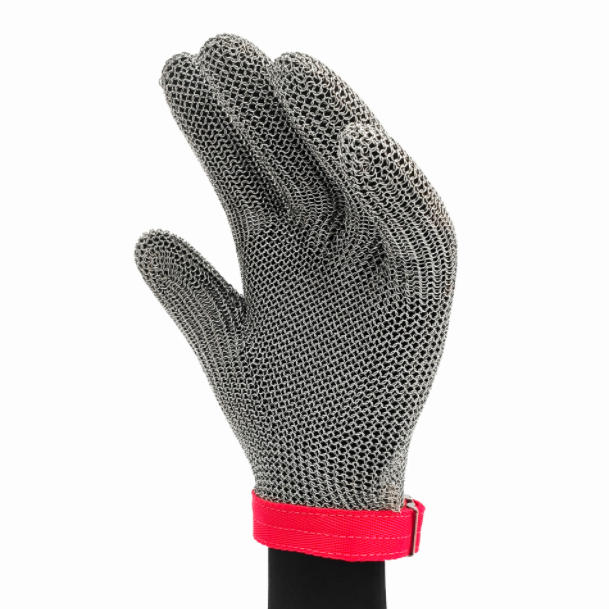
The condition of the gloves at the time of storage is the most significant factor in preventing corrosion. Gloves that are stored with contamination from food products, chemicals, sweat, or cleaning residues are at significantly higher risk of corrosion than gloves that are thoroughly cleaned and dried before storage. The cleaning process removes corrosive substances and allows the chromium oxide protective layer to reform fully on the metal surface.
Chainmail gloves used in food processing should be cleaned according to the facility's sanitation protocols before being placed in storage. The cleaning process typically involves scrubbing the gloves in hot water with a suitable detergent, followed by thorough rinsing to remove detergent residues. Cleaning should be performed immediately after use rather than delayed, as food residues and salts left on the metal surface can begin the corrosion process during the time the glove is not in use.
For gloves used in meat processing, the cleaning process must also address biological contamination. Blood, fat, and meat residues can provide a medium for bacterial growth and create an acidic environment that promotes corrosion. The removal of these materials is essential for both hygiene and corrosion prevention. Gloves should be washed with the same attention to cleanliness that would be given to any food contact surface.
After cleaning, the gloves must be completely dried before storage. Moisture left on the ring surfaces creates a local environment where corrosion can occur. The drying process may include air drying in a well-ventilated area, drying with clean towels, or drying in a drying cabinet designed for this purpose. Gloves should not be stored while damp, as the moisture trapped between rings and in crevices will promote corrosion even in otherwise dry storage conditions.
Drying cabinets used for chainmail gloves should maintain a low humidity environment and moderate temperature. High temperatures can accelerate corrosion if any moisture remains on the gloves. A temperature range of 20 to 40 degrees Celsius with low humidity is generally suitable for drying chainmail gloves. Gloves should be spread out or hung individually to allow air circulation between the rings and to ensure complete drying of all surfaces.
The storage environment directly affects the rate of corrosion in chainmail gloves. The relative humidity of the storage area is the most important environmental factor. Humidity levels above sixty percent create conditions where moisture can condense on the metal surfaces, supporting the corrosion process. Humidity levels below forty percent significantly reduce the risk of corrosion. Facilities should monitor storage area humidity with a hygrometer and take corrective action if humidity levels exceed recommended levels.
Temperature also affects corrosion rates. Elevated temperatures accelerate chemical reactions and can increase the rate of corrosion, particularly in the presence of moisture. The ideal storage temperature for chainmail gloves is a moderate room temperature between 15 and 25 degrees Celsius. Temperatures above 30 degrees Celsius should be avoided, and temperatures below the dew point can cause condensation that increases moisture on the glove surfaces.
Air circulation in the storage area is important for maintaining consistent humidity and temperature throughout the storage space. Good air circulation prevents the formation of microclimates where moisture can accumulate. Stagnant air can allow local humidity to rise above the ambient level, creating conditions favorable for corrosion. Storage areas should have adequate ventilation to move air around stored items.
The storage area should also be free of chemical fumes and airborne contaminants. In industrial facilities, chemical fumes from cleaning agents, manufacturing processes, or other sources can deposit on the gloves and promote corrosion. The storage area should be separated from processes that generate corrosive fumes or particulates. If separation is not possible, the gloves should be stored in sealed containers that protect them from airborne contaminants.
Lighting in the storage area is not a direct factor in corrosion, but storage in areas with windows or direct sunlight may cause temperature cycling and condensation. Fluctuations in temperature, particularly the heating during the day and cooling at night, can cause moisture to condense on stored gloves. A stable storage environment without significant temperature cycling is preferred.
The method of storing chainmail gloves can significantly affect the risk of corrosion. Gloves should be stored individually, with each glove separate from other gloves and from storage surfaces. Storing gloves in contact with other metal objects can create galvanic corrosion cells, and storing gloves in contact with porous materials can trap moisture against the metal surface.
Hanging storage is the preferred method for chainmail gloves. Hanging the gloves by the wrist closure allows air to circulate around all ring surfaces and ensures that no area of the glove is in contact with other surfaces where moisture could accumulate. The hangers or hooks used for storage should be made from non-reactive materials such as plastic, coated metal, or stainless steel compatible with the glove material. Hooks made from dissimilar metals can create galvanic corrosion cells where the metals contact each other.
If hanging storage is not possible, gloves should be stored in individual containers or on individual shelves. The containers should be made from materials that are non-reactive and that do not trap moisture against the glove surface. Plastic or coated metal containers with ventilation holes are preferred over sealed containers. The gloves should be laid flat rather than folded, as folding traps moisture between ring layers and creates areas where crevice corrosion can occur.
Storage racks or cabinets used for chainmail gloves should be constructed from materials that do not contribute to corrosion. Uncoated steel racks can rust and deposit corrosion products on the gloves, and dissimilar metals can create galvanic corrosion. Plastic-coated or stainless steel racks are preferred. The racks should allow air circulation between stored items and should not trap moisture in contact with the gloves.
If storage is not in dedicated storage equipment, chainmail gloves should be placed in plastic bags or containers that allow some air circulation. The bags should have ventilation holes to prevent condensation and allow airflow. Sealing gloves in airtight plastic bags while damp is particularly hazardous, as it traps moisture and promotes corrosion. Plastic bags for storage should be clean and free from chemical residues.
The use of desiccants in storage containers can help control humidity in storage environments that are not climate controlled. Silica gel desiccants can absorb moisture from the air within the storage container and maintain low humidity. The desiccant packages should be checked periodically and replaced when exhausted. Desiccants are particularly useful for storing gloves in humid environments or for seasonal storage when gloves are not in use for extended periods.
Several products and treatments can provide additional protection against corrosion during storage. Anti-corrosion coatings specifically designed for stainless steel can be applied to the glove surface before storage. These coatings leave a thin, invisible film on the metal that prevents moisture and corrosive agents from contacting the surface. The coatings are typically removed or washed off before the gloves are used, so they are appropriate only for storage applications where the gloves will be cleaned before use.
Vapor phase corrosion inhibitors are another option for corrosion prevention. These products release corrosion-inhibiting vapors that form a protective layer on metal surfaces. VCI paper or VCI emitting devices placed in storage containers can provide protection for chainmail gloves during storage. The vapors are typically harmless and do not affect the metal or any subsequent cleaning process. VCI products are commonly used for metal storage in industrial and manufacturing environments.
Rust preventative oils or sprays can also be applied to chainmail gloves for storage. These products leave an oily film on the metal surface that prevents moisture contact. However, the oil must be removed before use to prevent contamination of food products or interference with the glove's function. Oil-based products are generally not recommended for gloves used in food processing environments due to the risk of contamination.
Stainless steel passivation is a process that enhances the natural corrosion resistance of the metal. Passivation involves cleaning the metal to remove surface contaminants and then treating it with a mild acid solution that dissolves surface iron particles. The treatment leaves a uniform, chromium-rich oxide layer on the metal surface. Some chainmail gloves are passivated during manufacturing, but re-passivation during the glove's service life may be beneficial for extended storage or challenging environments.
Chainmail gloves used in food processing facilities face unique storage challenges due to the combination of moisture, fats, salts, and cleaning chemicals present in these environments. The storage of these gloves must address both corrosion prevention and hygiene compliance. Food safety regulations require that gloves used in food processing be stored in a manner that prevents contamination of food products and maintains sanitary conditions.
Gloves used in food processing should be stored in an area separate from food production areas to prevent contamination. The storage area should be clean, dry, and maintained at appropriate conditions for food-grade equipment storage. Gloves should be stored on racks or hangers that allow cleaning and sanitization between uses. The storage equipment itself should meet food safety requirements for materials and cleanability.
In meat processing facilities, the high salt content of the work environment creates a significant corrosion risk. Salt residues left on gloves after use are highly corrosive, and even small amounts of salt remaining on the gloves after cleaning can promote corrosion during storage. Thorough cleaning to remove salt residues is particularly important for meat processing gloves. Facilities using salt in their processing operations may need more aggressive cleaning protocols or more frequent passivation to maintain glove condition.
Chlorine-based sanitizers used in food processing facilities are effective for hygiene but can promote corrosion if not completely rinsed from the glove surfaces. Chloride ions attack the protective chromium oxide layer and create conditions for pitting corrosion. Facilities using chlorine sanitizers should ensure that gloves are thoroughly rinsed with clean water after sanitization to remove all chlorine residues before storage. Residual chlorine on the gloves during storage will continue to attack the metal surface.
The frequency of use and washing cycles in food processing facilities also affects storage requirements. Gloves that are used daily and washed between each use must be dried thoroughly between shifts. Facilities with high production rates may need drying cabinets or drying racks to ensure that gloves are completely dry before the next shift. The storage system should accommodate the volume of gloves in use and provide sufficient capacity for drying and storing the entire glove inventory.
Facilities that use chainmail gloves seasonally or that maintain reserve inventories of gloves need to address long-term storage considerations. Gloves that remain in storage for extended periods require additional protection against corrosion because any moisture or contamination present at the time of storage has an extended period to cause damage.
Before placing chainmail gloves into long-term storage, they should be thoroughly cleaned, dried, and inspected. Any gloves with existing damage or corrosion should be repaired or removed from inventory before storage, as damage can progress during storage even under controlled conditions. The gloves should be cleaned to remove all residues that could cause corrosion, and they should be dried to a level that ensures no moisture remains on the metal surfaces.
For long-term storage, the storage environment should be controlled to minimize corrosion risk. If possible, temperature and humidity should be monitored and maintained within the recommended ranges. Storage should be in an area free from chemical fumes and in packaging or containers that provide protection from contaminants while allowing some air circulation. Seasonal facilities should inspect stored gloves periodically to confirm that no corrosion has developed and to address any storage issues.
The use of vapor phase corrosion inhibitors or desiccants for long-term storage is recommended. These products provide additional protection beyond what is available from the storage environment alone. Gloves stored for extended periods with appropriate corrosion inhibitors typically remain in good condition and provide full protection when returned to service. The cost of corrosion inhibitors is minimal compared to the cost of replacing damaged gloves.
For reserve inventories that may be stored for more than one year, periodic inspection and rotation of stock is recommended. Inspecting gloves annually allows the identification of any storage issues before they cause significant damage. Rotating stock ensures that older gloves are used before newer gloves, minimizing the maximum storage time for any individual glove. This practice is consistent with general inventory management principles for PPE.
Regular inspection of stored chainmail gloves allows early detection of corrosion and enables corrective action before significant damage occurs. The inspection frequency depends on the storage conditions and the length of the storage period. Gloves in active use should be inspected at least weekly as part of the routine cleaning and storage process. Gloves in long-term storage should be inspected periodically, with monthly or quarterly inspections recommended depending on the storage environment.
Visual inspection of stored gloves should look for signs of corrosion, including discoloration, pitting, roughening of ring surfaces, and orange or brown stains. Any discoloration that does not appear on new gloves should be investigated. Corrosion in its early stages may appear as a slight darkening of the metal surface or as small spots. These signs, if caught early, can be addressed before the corrosion causes significant damage to the rings.
If corrosion is detected on stored gloves, the affected gloves should be cleaned and inspected more thoroughly. If the corrosion is superficial, cleaning and possibly passivation may restore the glove to usable condition. If the corrosion has caused significant ring damage, the glove should be removed from service. Facilities should track corrosion incidents to identify patterns that may indicate storage issues, such as high humidity in a particular location or exposure to a specific chemical.
Humidity monitoring in the storage area is recommended for facilities storing chainmail gloves. A humidity monitor, which is a simple and inexpensive tool, provides data that allows environmental corrections before corrosion occurs. If humidity levels regularly exceed sixty percent, the facility should investigate the cause and take corrective action. Corrective actions may include improving ventilation, installing a dehumidifier, or moving the storage area to a dryer location.
Proper storage of chainmail gloves is essential for preventing corrosion and extending service life. The best practices for storage include thorough cleaning and complete drying of gloves before storage, maintaining appropriate environmental conditions in the storage area, using appropriate storage methods that allow air circulation, and regular inspection of stored gloves for signs of corrosion.
The key storage recommendations are as follows. Clean gloves immediately after each use to remove residues that promote corrosion. Dry gloves thoroughly before storage, using drying cabinets or air drying with good ventilation. Store gloves in a low-humidity environment below sixty percent relative humidity, with moderate temperature and good air circulation. Hang gloves individually whenever possible to allow air circulation around all ring surfaces. Use storage racks and containers made from non-reactive materials that do not trap moisture. Consider corrosion prevention products such as vapor phase corrosion inhibitors for long-term storage. Inspect stored gloves regularly for signs of corrosion and address any issues immediately.
Facilities that implement these best practices can expect to achieve significantly longer service life from their chainmail gloves compared to facilities with poor storage practices. The investment in proper storage equipment, environmental controls, and inspection programs is small compared to the cost of replacing gloves that fail prematurely due to corrosion.
Hebei Linchuan Safety Protective Equipment Co., LTD manufactures stainless steel chainmail gloves designed for durability and corrosion resistance. We recommend that customers implement appropriate storage practices to maintain the condition of their gloves and maximize the return on their PPE investment. Our technical staff can provide guidance on storage practices specific to the customer's facility and application.