
Author: Site Editor Publish Time: 2026-08-27 Origin: Site


For professionals in meat processing, butchery, seafood handling, and food service, maintaining clean and sanitary chainmail gloves is essential for both worker safety and regulatory compliance. Chainmail gloves, also known as stainless steel mesh gloves, come into direct contact with food products and are exposed to blood, fats, and other organic materials during processing. Proper cleaning and sanitization remove these contaminants, prevent bacterial growth, and extend the service life of the gloves.
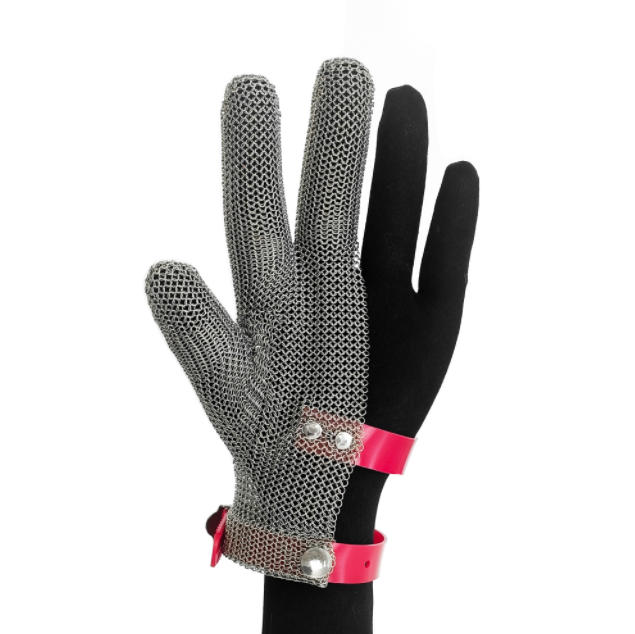
Chainmail gloves are constructed from stainless steel rings that resist corrosion and do not harbor bacteria like fabric gloves can. The metal construction allows for thorough cleaning and sanitization, making them suitable for use in food processing environments where hygiene standards are strictly enforced. The gloves' metal rings resist process fats and oils and clean up simply with hot water and soap.
Hebei Linchuan Safety Protective Equipment Co., LTD manufactures stainless steel chainmail gloves designed for food processing and industrial applications. Our gloves are constructed from welded stainless steel rings that resist corrosion and maintain structural integrity through repeated cleaning cycles. This guide provides a step-by-step approach to cleaning and sanitizing chainmail gloves, based on industry best practices and manufacturer recommendations.
Chainmail gloves used in food processing must be cleaned regularly to maintain hygiene standards. In food processing environments, gloves should be cleaned daily. The gloves come into contact with blood, fat, meat particles, and other organic materials that can harbor bacteria if not properly removed.
Proper cleaning also extends the service life of the gloves. Residues left on the metal surface can attract moisture and cause corrosion over time. Salts and acids present in food products can attack the stainless steel surface if not removed promptly. Regular cleaning removes these corrosive substances and helps maintain the protective oxide layer on the stainless steel.
Stainless steel mesh gloves are bacteria resistant and easily sanitized. However, the sanitization process must be performed correctly to be effective. Approved disinfectants must be used according to manufacturer instructions, and the contact time must be sufficient to eliminate harmful microorganisms.
All-metal chainmail gloves are often chosen specifically for their sanitation and food safety strengths. The one hundred percent metal construction means there are no fabric components that can harbor bacteria, making them inherently more hygienic than textile alternatives.
Following a systematic cleaning procedure ensures that chainmail gloves are properly cleaned and sanitized. The following steps are based on industry standards and manufacturer recommendations.
Step 1: Immediate Rinsing – After each use, gloves should be flushed thoroughly under running water to remove blood, fat, and meat particles before they dry and harden on the rings. Cool or lukewarm water is recommended initially, as very hot water can set proteins onto the metal surface.
Step 2: Washing with Detergent – Using warm water at approximately 50 degrees Celsius with a mild detergent, scrub all surfaces of the glove vigorously. A soft-bristled brush should be used to reach between the rings and remove all debris. Avoid using abrasive pads or steel wool, which can scratch the metal surface and create crevices for bacteria. The glove should be washed inside and out, with particular attention to the areas between rings where particles can become trapped.
Step 3: Thorough Rinsing – After washing, the glove must be rinsed thoroughly with clean water at a minimum temperature of 82 degrees Celsius. This high-temperature rinse removes detergent residues and helps sanitize the glove surface. The temperature must be maintained throughout the rinsing process to be effective.
Step 4: Disinfection – After washing and rinsing, the glove should be disinfected using a product authorized for food contact by health services. The disinfectant should be applied according to the manufacturer's instructions and allowed to act for the specified contact time. Disinfectants with excessive chlorine and acid content should be avoided, as they can damage the stainless steel.
Step 5: Drying – After disinfection, gloves must be dried completely before storage. Air drying in a clean, well-ventilated area is preferred. Gloves should not be stored damp, as moisture trapped between the rings can promote corrosion. Drying cabinets with moderate heat and good air circulation are acceptable.
In addition to hand washing, chainmail gloves can be cleaned using industrial washing machines. Manufacturer guidelines indicate that gloves can be washed in a normal or customary washing machine. This can be an efficient method for facilities with large numbers of gloves requiring daily cleaning.
When machine washing, several considerations apply. Use a mild, non-abrasive detergent without chlorine bleach or strong acids. A gentle or normal cycle with warm water, typically not exceeding 60 degrees Celsius, is recommended. High temperatures are unnecessary and can damage non-metal components. Avoid spin cycles that could put stress on the glove structure. Do not overload the washing machine, as this can cause excessive friction between gloves and increased wear.
Machine washing should be followed by the same rinsing and disinfection steps as hand washing. The high-temperature rinse at 82 degrees Celsius remains essential even when the washing cycle is completed. Drying after machine washing is also necessary to prevent corrosion.
Certain cleaning products and methods can damage chainmail gloves and should be avoided. Toxic cleaning products should not be used, as they can leave residues that may contaminate food products. Disinfectants with high chlorine doses are not recommended, as they can attack the protective oxide layer on stainless steel. Acidic disinfectants can similarly damage the metal surface and should be avoided.
Abrasive cleaning tools, including steel wool, wire brushes, and scouring pads, can scratch the metal surface. These scratches create crevices where bacteria can grow and can lead to corrosion. Soft-bristled brushes and non-abrasive sponges should be used for cleaning.
Hitting gloves against hard surfaces to remove debris should also be avoided. This mechanical impact can damage the rings and shorten the service life of the gloves. Water pressure or soft brushes are more appropriate for debris removal.
Proper storage after cleaning is essential for maintaining the condition of chainmail gloves. Gloves should be stored in a dry, cool, and well-ventilated place. Storing gloves flat or folded can create stress points in the weave pattern and may lead to ring deformation.
Hanging storage is preferred, as it allows air to circulate around all ring surfaces and ensures that no area of the glove is in contact with other surfaces where moisture could accumulate. The hangers or hooks used for storage should be made from non-reactive materials such as plastic or coated metal.
Storage in damp environments should be avoided, as moisture promotes corrosion. If storage conditions are humid, desiccants or dehumidifiers may be necessary to maintain appropriate conditions. Regular inspection of stored gloves helps identify any corrosion issues before they become significant.
After cleaning and before the next use, chainmail gloves should be inspected for damage. A ring that has opened or cracked during use must be repaired or the glove must be removed from service. For welded chainmail, an open ring appears as a visible gap. The glove should be examined under good lighting, with attention to areas where wear is most common, such as the palm and the thumb-index finger crotch.
Any glove with three or more adjacent damaged rings should be removed from service. These gloves can be repaired through manufacturer repair programs, which restore the glove to its original condition and maintain compliance with safety standards.
Regular inspection after cleaning ensures that damaged gloves are not returned to service. This practice supports both worker safety and the extended service life of the glove inventory. Facilities should establish a documented inspection procedure and train workers to identify signs of wear and damage.
Cleaning and sanitizing chainmail gloves is a straightforward process when following established procedures. Immediate rinsing after use removes organic matter before it can dry and harden. Washing with warm water at 50 degrees Celsius and mild detergent, using a soft brush, removes remaining debris. Rinsing with water at a minimum of 82 degrees Celsius ensures thorough cleaning and provides initial sanitization. Disinfection with approved food-contact sanitizers and complete drying before storage complete the process.
The following products should be avoided: toxic cleaning products, disinfectants with high chlorine doses, acidic disinfectants, and abrasive cleaning tools. Gloves should be stored in a dry, cool, well-ventilated area, preferably hung to allow air circulation. Regular inspection after cleaning identifies damage that requires repair or replacement.
Hebei Linchuan Safety Protective Equipment Co., LTD manufactures stainless steel chainmail gloves designed for durability through repeated cleaning cycles. Our gloves are constructed from welded stainless steel rings that resist corrosion and maintain structural integrity through regular cleaning. We recommend that customers follow the cleaning and sanitization procedures outlined in this guide to maximize the service life of their gloves and maintain hygiene compliance.