
Author: Site Editor Publish Time: 2026-07-13 Origin: Site


For procurement managers, safety directors, and supply chain officers in the food processing, glass handling, metal fabrication, and recycling industries, the selection of bulk cut resistant gloves represents a significant operational decision. The choice directly affects workplace injury rates, regulatory compliance, and long-term cost structures. This guide provides a data-driven framework for evaluating, specifying, and procuring cut resistant gloves in large volumes, with a focus on measurable performance standards and total cost of ownership.
The foundation of any informed bulk purchasing decision is a clear understanding of the applicable safety standards. Two primary systems dominate the global market: the European EN388 standard and the North American ANSI/ISEA 105 standard. While both measure cut resistance, they employ different test methodologies, and a direct conversion between the two is not always precise.
The EN388 standard uses a coupe test method with a circular rotating blade under a fixed load. The test continues until the blade cuts through the material, and the result is expressed as a ratio against a reference fabric. This produces a cut resistance level from 1 to 5, with Level 5 representing the highest protection. However, this test has known limitations with high-performance yarns and materials that can dull the blade, which sometimes leads to underreporting of actual performance.
The ANSI/ISEA 105 standard in North America employs the TDM-100 test, which uses a straight blade under increasing load over multiple passes until cut-through occurs. The result is expressed in grams of cutting force, with levels ranging from A1 through A9. A critical distinction is that ANSI A5 (approximately 2,200 grams) does not equate to EN388 Level 5 in all cases. Independent testing laboratories often report that EN388 Level 5 gloves can correspond to ANSI levels ranging from A4 to A7, depending on the specific material composition and construction method.
For bulk buyers, the practical implication is that relying on a single standard rating without understanding the test conditions can lead to improper glove selection. A glove rated EN388 Level 5 from one manufacturer might offer significantly different real-world protection compared to another with the same label, particularly when used against sharp edges, serrated blades, or materials with abrasive characteristics. Procurement specifications should therefore reference both the standard and the specific test result, not just the level designation.
The cut resistance of a glove is primarily determined by its constituent fibers and the engineering of the yarn structure. Bulk buyers evaluating multiple suppliers must understand the material families available and their respective performance trade-offs.
High-performance polyethylene (HPPE) fibers, including but not limited to branded variants such as Dyneema and Spectra, offer exceptional cut resistance per unit weight. These ultra-high molecular weight polyethylene fibers have tensile strengths significantly greater than steel on a weight-for-weight basis. Gloves made with HPPE are lightweight, flexible, and provide good comfort for extended wear periods. However, HPPE fibers have a relatively low melting point, typically around 150 degrees Celsius, which limits their suitability for applications involving heat exposure or friction-generated heat.
Aramid fibers, commonly known by the brand name Kevlar, provide cut resistance combined with excellent thermal stability. Aramid gloves maintain their structural integrity at temperatures up to approximately 400 degrees Celsius. They also exhibit good resistance to solvents and chemicals commonly found in industrial environments. The trade-off is that aramid gloves tend to be heavier and less flexible than HPPE alternatives, and they can absorb moisture, which may affect comfort during extended use.
Stainless steel core yarns and composite constructions represent another segment of the cut-resistant market. These materials incorporate a continuous metal wire core wrapped with synthetic fibers, providing outstanding cut and puncture resistance. Gloves with steel core construction typically achieve ANSI A7 or A8 ratings without requiring excessive yarn thickness. The metal content improves durability against abrasive wear and sharp edges, making these gloves suitable for glass handling, sheet metal operations, and recycling applications. The added weight and slightly reduced dexterity are the primary compromises.
Glass fiber and basalt fiber composite yarns offer intermediate cut resistance at a lower price point than HPPE or steel-core alternatives. These materials are often used in light to medium cut-protection applications where cost sensitivity is paramount. The fibers provide structural reinforcement to the glove matrix, improving cut resistance while maintaining acceptable flexibility. The primary concern with these materials is potential skin irritation from fiber breakage, a factor that should be evaluated in worker comfort trials before bulk commitment.
Engineering the yarn structure also influences performance. Tightly spun yarns with higher twist angles generally provide better cut resistance and durability compared to loosely constructed alternatives. The knit construction, whether seamless or cut-and-sewn, affects both protection levels and manufacturing consistency. Seamless knit gloves dominate the bulk market because they provide uniform protection, eliminate weak points at seams, and are cost-effective for automated production.
While the yarn provides cut resistance, the coating on the glove palm and fingers determines grip performance, oil resistance, and overall service life. Bulk procurement decisions must include coating selection as a critical variable because coating affects both worker productivity and glove replacement frequency.
Nitrile coatings are widely specified for oil-resistant applications. Nitrile exhibits exceptional resistance to petroleum-based oils, greases, and many solvents. The material also provides good abrasion resistance, with standard nitrile coatings surviving between 500 and 1,000 cycles on the EN abrasion test depending on the specific formulation and thickness. Micro-foam nitrile coatings increase surface area for grip in dry and lightly oily conditions, while solid nitrile coatings provide superior barrier properties in wet or heavily oiled environments.
Polyurethane coatings offer a balance of flexibility and grip that suits precision assembly and handling tasks. The coating provides excellent tactile sensitivity, allowing workers to manipulate small components while maintaining protection. Polyurethane shows moderate resistance to oils but outperforms natural rubber in resistance to UV degradation and oxidation. The abrasion resistance of polyurethane coatings is generally lower than nitrile, with typical test results in the 200 to 400 cycle range.
Natural rubber latex coatings provide exceptional grip in dry and clean conditions, with high friction coefficients that make them preferred for handling smooth or polished surfaces. The material is relatively economical and provides good flex-cracking resistance. However, latex coatings degrade rapidly when exposed to petroleum oils, and the presence of latex proteins can cause allergic reactions in sensitive individuals, limiting their applicability in many industrial settings.
Foam latex and foam nitrile coatings incorporate microscopic air bubbles that create a suction effect on oily surfaces. These coatings excel in applications where the workpieces are coated with light oils or lubricating fluids, such as in automotive assembly or machining operations. The foam structure also provides cushioning that reduces hand fatigue for repetitive grip tasks.
For applications requiring precision handling without the need for liquid resistance, uncoated or palm-coated gloves may be appropriate. These options allow maximum breathability and finger dexterity while maintaining cut protection across the entire hand. The reduced material content also lowers the per-unit cost, which can be advantageous in applications where gloves are changed frequently due to contamination rather than wear.
Bulk glove procurement decisions based solely on the lowest unit price frequently result in higher overall costs when all factors are considered. A structured total cost of ownership (TCO) analysis provides a more accurate basis for comparing competing offerings.
The unit cost of a cut-resistant glove typically ranges from a few dollars to over twenty dollars per pair, depending on the level of protection and the materials used. However, the effective cost per use depends heavily on service life. A glove that costs twice as much but lasts three times longer in a given application delivers a 33% reduction in per-use cost. This dynamic is particularly relevant in abrasive applications where glove wear from friction or material handling is the primary failure mode.
Replacement frequency is a function of both mechanical durability and contamination. In food processing applications, gloves are often discarded after a single shift due to hygiene requirements, making low-cost, adequate protection gloves economically superior to higher-cost extended-life options. In metal fabrication, where gloves fail through cut-through or abrasion, a more durable product typically produces a lower per-shift cost despite higher initial pricing.
Workplace injury costs provide another dimension of the TCO analysis. The direct costs of a hand laceration include medical treatment, potential surgery, rehabilitation, and administrative processing of incident reports. Indirect costs, including lost productivity, replacement worker training, accident investigation time, and potential OSHA reporting requirements, can significantly exceed the direct medical expenses. Industry data suggests that the total cost of a single hand injury often ranges from several thousand dollars to well over ten thousand dollars when fully accounted. A glove upgrade that increases protection from ANSI A3 to A5 and prevents one serious injury per thousand worker-days will almost certainly justify the incremental investment.
Logistical and administrative costs associated with bulk glove procurement also contribute to the TCO. Larger orders reduce per-unit shipping costs and minimize the administrative burden of multiple purchase orders and invoice processing. Standardizing on a single glove model across multiple facilities simplifies inventory management and training. However, standardization requires careful validation that a single glove type meets the requirements of diverse job functions, a decision that must balance operational simplicity against potential over-specification costs.
The ideal cut-resistant glove for a given application depends on the specific hazards present in that environment. Bulk buyers should classify their applications into hazard categories and evaluate gloves accordingly.
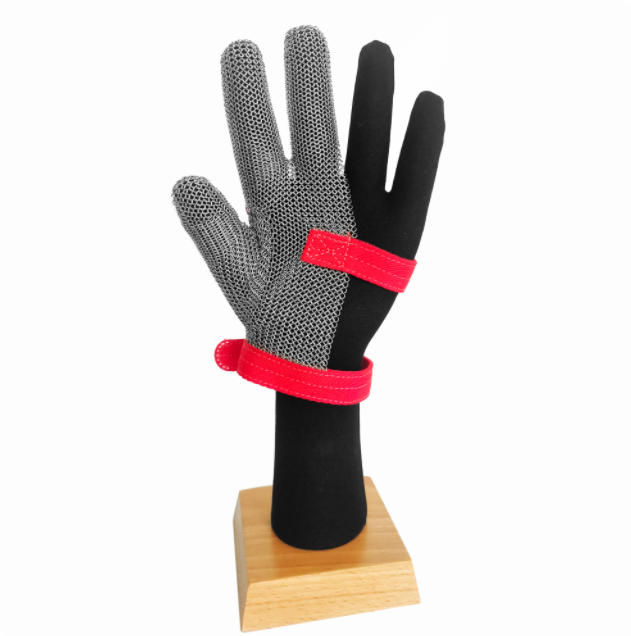
In food processing and meat cutting operations, cut resistance must be combined with hygiene and cleanability. Gloves in these settings are exposed to organic matter, moisture, and cleaning chemicals on a regular basis. Stainless steel mesh gloves provide the highest level of cut and puncture protection while offering cleanability that meets food safety standards. These gloves can withstand repeated washing and sanitization without degradation, making them suitable for daily use in meat, poultry, and seafood processing facilities. The initial cost is significantly higher than fiber-based alternatives, but the multi-year service life and compliance with food contact regulations provide a strong value proposition for high-volume operations.
Glass handling and recycling applications require gloves that resist both cuts and punctures from sharp, irregular fragments. The abrasive nature of glass particles also demands high abrasion resistance to prevent premature failure. Gloves with steel core yarns or high-density HPPE constructions, typically with ANSI A7 or higher ratings, are specified in these environments. The coating must provide secure grip on glass surfaces to prevent dropped or shattered items, with micro-foam nitrile coatings frequently selected for their combination of grip and durability.
Metal fabrication and stamping operations present hazards from sharp sheet metal edges, burrs, and stamping flash. These sharp edges can cause lacerations even with moderate applied force, and the workpieces often have oil or coolant residues that affect grip. Gloves with ANSI A4 to A6 ratings are typically sufficient for general fabrication work, with higher ratings required for tasks involving heavy gauge or sharp-edged materials. Nitrile-coated gloves with foam finishes handle the oily conditions effectively while maintaining the required dexterity for part manipulation.
Automotive assembly and maintenance applications require cut protection combined with chemical resistance to oils, coolants, and solvents. Aramid fiber gloves provide the thermal stability needed for occasional contact with hot engine components, while the coating must resist petroleum-based fluids. The glove design must also allow sufficient dexterity for assembly of small components and fasteners. Disposable or limited-use gloves are often specified in maintenance operations where contamination control is important, while durable gloves are used in fabrication and machining areas.
Logistics and warehousing operations, including cardboard handling, strapping, and packaging, present lower cut hazards than the applications described above. ANSI A2 to A4 gloves with nylon or polyester blend shells provide adequate protection while maximizing comfort and cost-effectiveness. The primary failure mode in these environments is abrasion from cardboard edges rather than direct cuts, making the coating's abrasion resistance more important than its cut rating. Polyurethane coatings provide the required abrasion resistance while maintaining the flexibility needed for picking and packing tasks.
The consistency of bulk glove shipments is as important as the performance of individual samples. Quality control failures can lead to batch-to-batch variations in cut resistance, coating adhesion, and dimensional stability, creating safety risks and operational disruptions.
Qualified suppliers maintain documented quality management systems, with ISO 9001 certification being the minimum expectation for serious bulk suppliers. In addition to management system certification, suppliers should provide evidence of ongoing product testing to the relevant standards for each production batch. This testing includes cut resistance verification, abrasion resistance testing, and dimensional inspection to ensure batch consistency.
The raw material supply chain also affects quality consistency. Suppliers who source high-performance fibers from primary manufacturers with certified quality systems provide more consistent products than those who use secondary or recycled materials. Similarly, coatings from established chemical manufacturers with documented formulations provide more predictable performance than custom formulations without full characterization.
Visual and tactile inspection of bulk shipments provides an initial quality check that all buyers can implement. Signs of poor quality include irregular knit density, visible coating inconsistencies, discoloration, or unpleasant odors. Each glove in a bulk carton should have consistent color, texture, and dimensions. Random sampling of each shipment for functional testing provides an additional quality assurance layer, with any failure triggering a return or further investigation.
Working with a supplier that provides comprehensive product documentation, including test certificates, material declarations, and cleaning instructions, simplifies the qualification process. Hebei Linchuan Safety Protective Equipment Co., LTD maintains complete documentation for all bulk products and provides batch-specific test reports upon request. This transparency enables procurement teams to verify each shipment's compliance with their specifications.
Bulk glove procurement must align with the facility's broader safety compliance program. In the United States, OSHA's Personal Protective Equipment standard requires employers to assess workplace hazards and provide appropriate PPE at no cost to workers. Glove selection must be documented and justified based on the hazard assessment, with the selection process demonstrating due diligence in protecting worker safety.
Records of glove specifications, test results, and training materials constitute part of the compliance documentation that should be maintained for each procurement cycle. Buyers should request and retain supplier test certificates and other verification documents to support their compliance records. Periodic review of the hazard assessment and glove selection ensures continued alignment as job requirements or glove technology evolves.
Worker training and acceptance represent a often overlooked factor in glove program success. Even the most protective glove provides no benefit if workers remove it due to discomfort or reduced dexterity. Engaging workers in glove selection trials, where multiple models are tested under actual working conditions, improves acceptance rates and provides practical feedback that can refine the selection process. Workers can identify fit issues, grip performance concerns, and durability problems that might not be apparent in laboratory testing.
Glove sizing and fit affect both protection and worker comfort. Gloves that are too large bunch up and reduce dexterity, while gloves that are too small cause pressure points and fatigue. Bulk buyers should ensure that the selected glove is available in a size range that covers the workforce demographics. Standardizing on a single manufacturer's sizing system simplifies ordering and ensures that reorders match the sizes originally selected.
Bulk procurement of safety gloves requires attention to supply chain reliability, including lead times, inventory levels, and supplier capacity. For operations that consume significant quantities of gloves weekly, a stable and reliable supply chain is essential for maintaining continuous operations.
Lead times for bulk orders vary significantly by manufacturer and by the specific glove model. Standard models produced in high volume are typically available for shipment within a few weeks of order placement. Custom configurations or specialty gloves may require longer production lead times. Procurement professionals should establish lead time expectations with suppliers and incorporate these into their reorder planning cycles.
Minimum order quantities for bulk pricing vary by supplier, with larger orders typically providing lower unit prices. The economic order quantity should balance the per-unit savings from volume against the carrying costs of inventory, including storage space, inventory tracking, and the risk of obsolescence. For gloves with finite shelf life or those subject to changes in worker size requirements, maintaining excessively large safety stock can result in waste.
Supplier capacity and production volume provide another consideration for bulk buyers. A supplier with dedicated production lines and multiple manufacturing facilities offers greater supply security than a supplier with limited capacity. Buyers with very large requirements should verify that the supplier has the manufacturing capacity to meet their peak demand periods without compromising quality.
Hebei Linchuan Safety Protective Equipment Co., LTD offers supply chain reliability for bulk cut-resistant glove orders, with production capacity scaled to meet large-volume requirements. Standard models are maintained in inventory for rapid shipment, while custom or specialized products are produced on predictable lead times.
For facilities implementing comprehensive safety programs, establishing a glove inspection procedure helps identify quality issues before they reach the work floor. Incoming quality checks on bulk shipments can include visual inspection of representative samples, dimensional measurement, and verification of product labeling and packaging integrity.
Random sampling of each batch for cut resistance verification may be appropriate for facilities with high safety requirements or those using gloves for critical applications. While the cost of third-party testing for each batch may be prohibitive, establishing a relationship with a testing laboratory for periodic verification provides an independent quality check that complements the supplier's internal testing.
In-service monitoring of glove performance provides real-world data that can inform future procurement decisions. Tracking glove service life, failure modes, and worker feedback provides an empirical basis for evaluating supplier offerings. Facilities that maintain records of glove consumption by department and shift can detect changes in glove durability that may indicate quality variations in the supply chain.
Supplier audits, either on-site or virtual, provide visibility into the manufacturing processes and quality controls that support the glove's performance. Understanding the production processes used to manufacture the gloves helps the buyer assess the supplier's consistency and capability.
The storage environment for bulk cut-resistant gloves affects their usable life and performance. Heat, moisture, UV light, and chemical contamination can degrade both the fibers and coatings of safety gloves, even before they reach the workplace.
HPPE and aramid gloves should be stored away from direct sunlight and UV sources to prevent polymer degradation. Storage temperatures should remain moderate, typically between 15 and 30 degrees Celsius, and humidity levels should stay below 60% to prevent mold growth and fiber degradation. Gloves should be stored in their original packaging or in clean, dry containers that prevent contamination.
Food-processing gloves require additional hygiene considerations, including storage in sealed containers to prevent contamination and segregation from general-use gloves. Steel mesh gloves require specific drying methods after washing to prevent corrosion and maintain appearance.
For facilities with multiple glove types, clear labeling and storage organization help ensure that workers receive the correct glove for their job function. Color-coding by size or model simplifies inventory management and worker selection.
Documenting the financial and safety outcomes of bulk glove procurement decisions helps justify the investment to management and provides data for continuous improvement. Tracking key performance indicators including injury rates, glove consumption per worker-day, and the cost per use provides the measurement basis for glove program effectiveness.
Facilities that implement comprehensive glove programs, including appropriate cut-resistant glove selection for each job function, typically report measurable reductions in hand injury rates within the first year of implementation. These results provide a compelling business case for continued investment in worker safety equipment and for upgrading glove specifications when warranted by the data.
Periodic review of the bulk procurement strategy ensures that the facility's glove program remains aligned with changes in operations, worker demographics, and advancements in glove technology. Engaging with glove manufacturers and distributors for technical briefings helps procurement professionals stay informed about new product developments and their potential application to existing needs.
Hebei Linchuan Safety Protective Equipment Co., LTD supports procurement professionals with technical consultation, sample evaluation, and ongoing service. The company offers a range of bulk cut resistant gloves with documented performance to international standards, enabling buyers to select the appropriate level of protection for their operations while optimizing total cost of ownership. For bulk orders or technical inquiries, procurement teams can contact the company directly at info@linchuanppe.com.