
Author: Site Editor Publish Time: 2026-08-10 Origin: Site


A common misconception about chainmail gloves is that they are specialized equipment used exclusively in slaughterhouses and meat processing facilities. This perception is understandable, as the meat processing industry is the most visible user of metal mesh hand protection. However, the reality is that chainmail gloves are specified across a much broader range of industries and applications where cut hazards present a significant risk to worker safety. The question of whether chainmail gloves are only necessary for slaughterhouse workers has a clear answer: they are not.
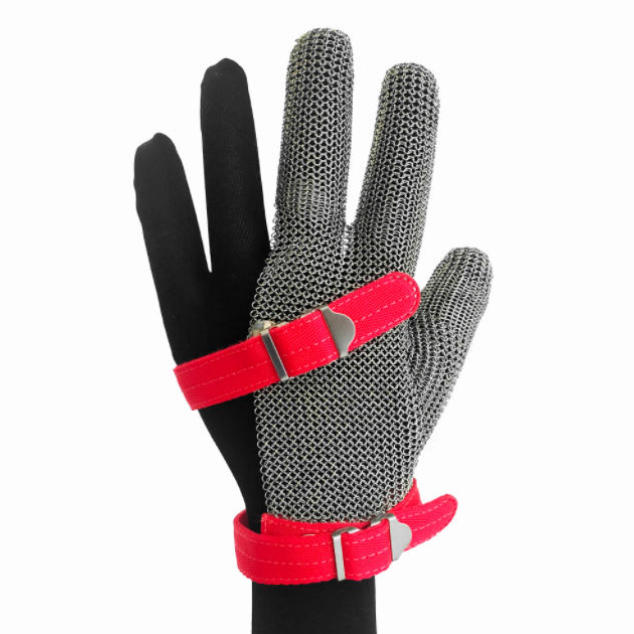
Chainmail gloves are protective equipment designed for any environment where workers face repeated or severe cut hazards from sharp edges, blades, or abrasive materials. The protective mechanism of interlocking metal rings provides cut resistance that exceeds what textile-based gloves can offer in demanding applications. This protection is valuable in multiple industries beyond meat processing, including glass manufacturing, metal fabrication, recycling, waste management, and even certain laboratory and research settings.
Based on manufacturing data and application records from Hebei Linchuan Safety Protective Equipment Co., LTD, which produces stainless steel chainmail gloves for industrial applications worldwide, the user base for chainmail gloves spans at least six distinct industry sectors. Slaughterhouse and meat processing workers represent the largest single user group, but they account for less than half of the total chainmail glove market. This article examines the full range of occupations and industries where chainmail gloves are specified, demonstrating that the application extends far beyond the slaughterhouse environment.
Slaughterhouse and meat processing workers are indeed the most visible users of chainmail gloves. Workers in beef, pork, lamb, and poultry processing facilities wear chainmail gloves for protection against knife cuts during boning, trimming, and portion cutting operations. The combination of sharp blades, the force required to cut through muscle and connective tissue, and the presence of bone surfaces that deflect blades makes this environment one of the highest-risk settings for hand lacerations.
The visibility of chainmail gloves in meat processing has led to the perception that these gloves are exclusively or primarily for this industry. This visibility is reinforced by media coverage of meat processing operations and by the fact that slaughterhouse workers are frequently photographed wearing chainmail gloves. The association between chainmail gloves and meat processing is so strong that many people outside the safety industry assume the two are inseparable.
However, data on glove sales and specifications tells a different story. The meat processing sector accounts for a substantial portion of chainmail glove sales, but sales data from multiple manufacturers shows that other industries collectively represent a significant portion of the market. Glass manufacturing, metal fabrication, recycling, and automotive manufacturing are all major users of chainmail gloves. In some regions, the combined sales to non-meat industries exceed sales to meat processing facilities.
The reason for this broader application is that chainmail gloves address a fundamental safety need that exists across multiple industries: the need for durable, high-level cut resistance that can withstand repeated sharp contact without rapid degradation. Any environment where workers routinely handle sharp materials, regardless of whether those materials are animal products, benefits from the protection that chainmail gloves provide.
Glass manufacturing is one of the largest non-meat industries using chainmail gloves. Workers in glass production facilities handle freshly cut glass sheets, bottles, containers, and other glass products that have sharp edges. The hazard in glass manufacturing differs from meat processing in that the injuries typically occur from contact with stationary sharp edges rather than from cutting tools. However, the severity of lacerations from glass edges is comparable to or exceeds that of knife cuts.
Workers in glass manufacturing who handle glass sheets during cutting, stacking, and packaging operations require hand protection that can withstand the sharp edges of the glass. Standard textile cut-resistant gloves are often insufficient for this application because the sharpness of fresh glass edges can cut through fabric gloves with minimal force. The glass edge contacts the glove repeatedly during handling, creating a high-frequency hazard that requires durable protection.
Glass recycling facilities also use chainmail gloves for workers who sort and process broken glass. The broken glass in recycling streams creates an unpredictable hazard where sharp shards are hidden within bulk materials. Workers cannot visually identify every sharp edge before contact, making comprehensive hand protection essential. Chainmail gloves provide protection against both the cut hazard from glass edges and the puncture hazard from glass shards.
The service life of chainmail gloves in glass applications is typically comparable to or longer than in meat processing, as the wear mechanism is abrasion from glass edges rather than impact from knife blades. However, the abrasive nature of glass dust in the environment can accelerate ring wear, requiring regular inspection and replacement.
Metal fabrication is another significant industry where chainmail gloves are commonly specified. Workers in this industry handle sheet metal, metal stampings, and fabricated metal components that have sharp edges and burrs created during cutting and forming operations. The hazard in metal fabrication involves both cut injuries from sharp edges and abrasion injuries from rough metal surfaces.
Automotive manufacturing plants, particularly those with stamping and body panel operations, are major users of chainmail gloves. Workers who handle freshly stamped components face sharp edges on the metal parts that can cause severe lacerations. The stamping process creates edges that are sharp enough to cut through standard work gloves, and the frequency of handling creates a high-risk environment.
Aerospace manufacturing, which involves handling aluminum, titanium, and composite materials, also uses chainmail gloves for certain operations. The sharp edges of machined components and the abrasive nature of composite materials create cut hazards that require high-level protection. The value of the components being handled in aerospace manufacturing also makes worker hand protection a priority, as a hand injury can result in significant lost productivity and training costs.
Custom metal fabrication shops and machine shops also use chainmail gloves for workers performing deburring, finishing, and material handling tasks. The variety of metal types, edge geometries, and handling operations in these environments creates a need for versatile cut protection that chainmail gloves provide.
Recycling and waste sorting facilities represent a growing application for chainmail gloves. Workers in these facilities manually sort materials on conveyor belts or tipping floors, encountering a wide variety of hazards including broken glass, sharp metal objects, discarded needles, and demolition debris. The unpredictable nature of the material stream makes hazard identification difficult, and workers may contact sharp objects unexpectedly.
Municipal recycling facilities processing mixed recyclables frequently specify chainmail gloves for workers in direct material contact roles. The combination of cut hazards from glass and metal and puncture hazards from needles and other pointed objects requires comprehensive hand protection. Chainmail gloves provide protection against both types of hazards, although they have limitations against small-diameter needles as discussed elsewhere.
E-waste recycling, which involves processing discarded electronic equipment, is another application where chainmail gloves are used. Workers handling circuit boards, metal components, and other e-waste materials face cut hazards from broken plastic and metal edges, as well as potential chemical exposure. The variety of materials in e-waste requires durable hand protection that can handle multiple hazard types.
Construction and demolition waste sorting also uses chainmail gloves for workers handling debris with sharp edges. Nails, broken glass, metal strapping, and other sharp materials are common in construction waste, and workers handling these materials require high-level hand protection. The heavy nature of construction waste materials increases the force that can be applied to sharp edges, making durable chainmail protection appropriate.
While slaughterhouses are the most visible food processing application for chainmail gloves, they are not the only food processing application. Seafood processing facilities, including fish filleting, oyster shucking, and shellfish processing operations, use chainmail gloves extensively. The hazards in seafood processing include both cutting tools and natural sharp structures such as fish spines, crab claws, and oyster shells.
Fish filleting operations use thin, flexible blades that are prone to edge deflection, creating a laceration hazard that chainmail gloves effectively address. Oyster shucking involves applying significant force with a specialized knife to open oyster shells, with the risk of knife slippage causing severe lacerations. Shellfish processing involves handling sharp shells that can cut through standard work gloves. All of these seafood processing applications require hand protection comparable to that used in meat processing.
Bakery and confectionery production may also use chainmail gloves for certain operations. Workers handling large mixing blades, cleaning equipment, or performing maintenance on cutting equipment may require cut protection. While the cutting hazard in bakeries is generally lower than in meat processing, specific operations such as dough dividing and shaping may involve sharp equipment that requires hand protection.
Fruit and vegetable processing, particularly operations involving peeling, coring, or cutting produce, may use chainmail gloves for workers operating cutting equipment or handling sharp blades. The cutting force in fruit and vegetable processing is generally lower than in meat processing, but the frequency of blade contact may still justify chainmail protection for workers in high-volume operations.
Research laboratories and research institutions are less common but important users of chainmail gloves. Laboratory workers handling sharp instruments, glassware, or animal specimens may require hand protection that chainmail gloves provide. The laboratory environment presents unique hazards including broken glassware, sharp dissection instruments, and animals with sharp teeth or claws.
Research institutions working with non-human primates, large carnivores, or animals with significant bite force often use chainmail gloves for hand protection. The bite force of large animals creates both laceration and puncture hazards that standard gloves cannot address. Chainmail gloves provide protection against bites while allowing the dexterity needed for handling animals during research procedures.
Veterinary medicine and animal handling also use chainmail gloves for certain applications. Veterinarians working with large animals or with animals that may bite during treatment use chainmail gloves for hand protection. Wildlife rehabilitation centers handling injured animals with sharp teeth or claws also specify chainmail gloves for their workers.
Forensic laboratories and crime scene investigation units may use chainmail gloves when handling sharp objects or materials that could contain sharp hazards. The unpredictability of evidence handling requires comprehensive hand protection, and chainmail gloves provide durable protection against cut hazards encountered in forensic work.
Academic research laboratories working with glassware or sharp instruments may use chainmail gloves for specific procedures. While chainmail gloves are not standard in all laboratory settings, they are available for operations where the cut hazard exceeds the protection provided by standard laboratory gloves. The frequency of use in academic settings is lower than in industrial settings, but the gloves remain available for specific hazard scenarios.
Beyond the major industries discussed, several specialized occupations use chainmail gloves for specific protection needs. These occupations may not represent large market segments, but they demonstrate the breadth of applications for chainmail gloves beyond slaughterhouse work.
Glass artists and glass blowers who handle hot and sharp glass materials may use chainmail gloves for protection. The combination of heat and sharpness creates unique hazard that requires specialized hand protection. Chainmail gloves designed for glass working provide both cut protection and limited thermal protection.
Underwater archaeologists and salvage divers working with sharp materials underwater may use chainmail gloves for hand protection. The underwater environment requires corrosion-resistant protection, and stainless steel chainmail gloves provide the necessary durability for submerged work. The gloves protect against sharp edges on submerged structures and artifacts.
Emergency responders, including firefighters and search and rescue personnel, may use chainmail gloves for specific rescue operations involving sharp debris. The unpredictable nature of emergency response creates situations where durable cut protection may be needed, and chainmail gloves provide the required protection for these situations.
Security and law enforcement personnel may use chainmail gloves for protection against edged weapons in certain situations. The gloves are worn as part of protective equipment for personnel who may face knife threats. While chainmail gloves are not standard issue for all law enforcement, they are available for specialized units or specific assignments.
The perception that chainmail gloves are only necessary for slaughterhouse workers persists for several reasons. The visual association between chainmail gloves and meat processing is strong, as images of chainmail gloves are most commonly associated with butchery and meat preparation. Media coverage of meat processing operations frequently shows workers wearing chainmail gloves, while coverage of other industries rarely features this equipment.
The terminology used for chainmail gloves also contributes to the perception. Terms such as "butcher's gloves" or "meat cutting gloves" are commonly used to describe chainmail gloves, reinforcing the association with meat processing. While these terms are descriptively accurate for one application, they create the impression that the gloves are specific to that application.
The safety standards developed for chainmail gloves have historically focused on meat processing applications. The EN 1082 standard, which was developed specifically for gloves used in meat processing, has influenced the perception that the gloves are primarily for that industry. However, the standard applies to any application where the same hazards exist, and chainmail gloves meeting this standard are used across multiple industries.
The marketing and sales approach for chainmail gloves has also reinforced the perception. Many manufacturers and distributors market chainmail gloves primarily to meat processing facilities, as this represents the largest market segment. This focus on the meat processing market creates the impression that the gloves are only for that industry, even when manufacturers serve other markets as well.
Chainmail gloves are not only necessary for slaughterhouse workers. While slaughterhouse and meat processing workers represent the largest user group for chainmail gloves, the gloves are specified and used across a much broader range of industries. Glass manufacturing, metal fabrication, recycling and waste sorting, seafood processing, laboratory and research settings, and numerous specialized occupations all use chainmail gloves for hand protection against cut hazards.
The protective properties of chainmail gloves, including high cut resistance, durability, and puncture resistance, make them appropriate for any environment where workers face repeated or severe cut hazards. The interlocking metal ring construction provides protection that exceeds what textile-based gloves can offer, making chainmail gloves the appropriate choice for demanding applications across multiple industries.
The perception that chainmail gloves are only for slaughterhouse workers is a misconception that limits understanding of the full range of applications for this protective equipment. Safety managers and procurement professionals should consider chainmail gloves for any application where the cut hazard frequency or severity justifies the investment, regardless of whether the application involves meat processing.
Hebei Linchuan Safety Protective Equipment Co., LTD manufactures stainless steel chainmail gloves for applications across multiple industries. Our gloves are used in food processing, glass handling, metal fabrication, recycling, and other applications where workers face cut hazards. We recommend that safety managers evaluate chainmail gloves for any application where the cut hazard assessment indicates that high-level cut protection is required.